
How Long Do Dental Implants Last? Factors That Affect Implant Lifespan
If you are considering replacing a missing tooth with a dental implant, one of the first questions you may have is:
How long do dental implants last?
Dental implants are designed to provide a long-term solution for missing teeth. With proper care and regular dental checkups, many implants can remain functional for many years. Research and clinical guidance show high long-term survival rates, although the exact lifespan can vary from patient to patient.
The implant itself is only one part of the treatment. Your gum health, oral hygiene, smoking habits, bite, general health and the condition of the dental crown can all affect your long-term results.
In this guide, we explain how long do dental implants last, what can shorten their lifespan, and how you can protect your investment.
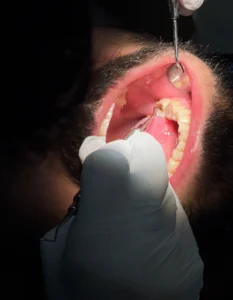
How Long Do Dental Implants Last?
So, how long do dental implants last?
There is no exact number of years that applies to every patient.
Dental implants have a high long-term survival rate. For example, Leeds Teaching Hospitals NHS Trust reports that studies show about 90% of dental implants placed 10 years ago are still present and functioning.
Another NHS clinical information source reports high implant success rates over longer periods in patients with healthy mouths, while also noting that gum disease, smoking, bone condition and poor maintenance can reduce the likelihood of long-term success.
This means that when someone asks how long do dental implants last, the better answer is:
Dental implants can last for many years, but their long-term success depends heavily on how well they are planned, placed and maintained.
Can Dental Implants Last a Lifetime?
Some dental implants can remain functional for decades, and long-term studies have reported implants still functioning after several decades. However, it would be misleading to guarantee that every implant will last a lifetime.
The implant fixture and the crown are also different components.
The implant is placed into the jawbone, while the crown is the visible artificial tooth attached to it. The crown can experience normal wear and may eventually require repair or replacement even when the implant underneath remains healthy.
Therefore, how long do dental implants last is not exactly the same question as how long the entire implant-supported tooth will look and function without any maintenance.
What Is a Dental Implant?
A dental implant is a small post, usually made from titanium or another suitable implant material, that is placed into the jawbone to replace the root of a missing tooth.
Once the implant has integrated with the bone, it can support a dental crown, bridge or other restoration.
A typical single-tooth implant restoration has three main parts:
- Implant fixture – placed into the jawbone
- Abutment – connects the implant to the crown
- Dental crown – replaces the visible part of the missing tooth
Understanding these components is important because the lifespan of each component can be different.
7 Factors That Affect How Long Dental Implants Last
If you’re wondering how long do dental implants last, you should also understand the factors that can affect their long-term success.
1. Oral Hygiene
Good oral hygiene is one of the most important parts of maintaining dental implants.
Although an implant is not a natural tooth, the gum and bone around it can still develop inflammation and disease.
Plaque and bacteria around an implant can contribute to inflammation around the implant and, in more serious cases, bone loss.
Your dentist may recommend:
- Brushing twice daily
- Cleaning between your teeth
- Cleaning carefully around the implant
- Using any recommended interdental cleaning aids
- Attending regular dental checkups
Taking care of your implant every day can help protect the tissues surrounding it.
2. Gum Health
Healthy gums are important for long-term implant success.
Patients with a history of gum disease can have a higher risk of problems around dental implants. Leeds Teaching Hospitals notes that a history of gum disease is among the factors associated with increased risk of implant failure.
If you already have gum disease, your dentist may recommend treating and controlling it before or alongside implant treatment.
3. Smoking
Smoking can negatively affect dental implant outcomes.
Clinical guidance from NHS dental services identifies smoking as an important risk factor for implant failure, while research discussed by the American Dental Association has found lower implant survival and greater marginal bone loss among smokers compared with non-smokers.
If you smoke, discuss this honestly with your dentist before starting implant treatment.
4. Bone Condition
A dental implant needs suitable bone support.
When a tooth has been missing for a long time, bone loss can occur in the area. Your dentist may therefore recommend dental imaging to evaluate the available bone before implant placement.
In some cases, additional treatment may be required before an implant can be placed.
5. Your Bite and Teeth Grinding
Excessive forces on an implant can affect its long-term performance.
Patients who grind or clench their teeth may place additional stress on implants and restorations. NHS guidance notes that teeth grinding can increase the risk of overloading implants.
If you grind your teeth, tell your dentist. They may recommend appropriate protection or additional monitoring.
6. Regular Dental Checkups
Dental implants should not be considered a treatment that you simply forget about after the crown is fitted.
Regular checkups allow your dentist to monitor the implant, surrounding gums and bone.
Professional cleaning may also be recommended depending on your oral health and individual risk factors. Some implant patients may need more frequent follow-up visits.
7. Quality of Treatment and Planning
Proper diagnosis and treatment planning are important before implant placement.
Your dentist needs to consider the available bone, gum health, position of neighbouring teeth, bite and overall oral condition.
Choosing a suitable implant system is important, but the quality of the complete treatment process also matters.
What Can Cause a Dental Implant to Fail?
When people search how long do dental implants last, they sometimes assume that implants cannot fail.
Although dental implants have high survival rates, complications can occur.
There are generally two broad situations:
Early Implant Failure
Sometimes an implant may fail to integrate properly with the surrounding bone.
If this happens, your dentist can discuss the available treatment options.
Late Implant Failure
Problems can also develop years after successful implant placement.
Inflammation around the implant and progressive bone loss can eventually compromise the implant. This condition is commonly referred to as peri-implantitis.
Factors associated with increased risk include:
- Poor oral hygiene
- Smoking
- Previous gum disease
- Poorly controlled diabetes
- Certain medications
- Excessive forces on the implant
This is why long-term maintenance is so important.
Does the Dental Crown Last as Long as the Implant?
Not necessarily.
When discussing how long do dental implants last, it’s important to separate the implant from the crown.
The implant fixture is positioned inside the jawbone, while the crown is exposed to everyday chewing forces.
Over time, a crown may:
- Wear down
- Chip
- Fracture
- Become loose
- Require repair
- Need replacement
The need to replace a crown does not necessarily mean that the implant itself has failed.
Your dentist can assess whether the problem is with the crown, abutment or implant.
How Can You Make Dental Implants Last Longer?
If you want your dental implants to last as long as possible, focus on long-term maintenance.
Brush Your Teeth Regularly
Brush your teeth twice a day using fluoride toothpaste and follow the cleaning method recommended by your dental team.
Clean Between Your Teeth
Food and plaque can collect around teeth and implants. Use floss, interdental brushes or other cleaning aids as recommended by your dentist.
Don’t Ignore Bleeding or Swelling
If you notice bleeding, swelling, tenderness, pus, persistent bad taste or other changes around an implant, contact your dentist.
Early assessment can help identify problems before they become more serious.
Avoid Smoking
Stopping smoking can benefit your overall oral health and may improve the environment around your dental implants.
Attend Regular Checkups
Regular professional monitoring is one of the best ways to protect your implant investment.
Your dentist can check the health of the surrounding tissues and identify potential problems early.
How Long Does a Dental Implant Take to Heal?
The implant treatment process does not usually finish on the day the implant is placed.
The implant needs time to integrate with the jawbone before the final restoration is completed.
Healing time varies between patients and depends on factors such as the treatment site, bone condition and whether additional procedures are required.
Some NHS guidance notes that implants may commonly be left to integrate with the bone for around 2–6 months before being used, although the exact timeline depends on the individual treatment plan.
Your dentist will give you a more accurate timeline after examining your mouth and planning your treatment.
Are Dental Implants Worth It for Long-Term Tooth Replacement?
For many suitable patients, dental implants can provide a fixed and long-term option for replacing missing teeth.
They can be used to replace:
- A single missing tooth
- Several missing teeth
- Multiple teeth using implant-supported bridges
- Missing teeth with implant-supported dentures
The right option depends on your oral health, bone condition, number of missing teeth, budget and treatment goals.
How Long Do Dental Implants Last Compared With Other Options?
Dental implants, bridges and dentures all have different advantages and maintenance requirements.
A dental implant is fixed into the jawbone, while a traditional bridge uses neighbouring teeth for support and a denture is removable.
Your dentist can compare these options with you based on:
- Number of missing teeth
- Gum health
- Bone condition
- Existing teeth
- Budget
- Desired appearance
- Long-term goals
Rather than asking only how long do dental implants last, it is useful to ask which tooth-replacement option is most appropriate for your particular situation.
Frequently Asked Questions
How long do dental implants last?
Dental implants can remain functional for many years, and studies show high survival rates over 10 years and beyond. The exact lifespan depends on factors such as oral hygiene, gum health, smoking, bone condition, bite and regular maintenance.
Can dental implants last 20 years?
Yes, some implants can remain functional for 20 years or longer. However, there is no guarantee that every implant will last for the same amount of time.
Can dental implants last a lifetime?
Some implants may remain functional for several decades, but dentists cannot guarantee that an implant will last a lifetime. Long-term maintenance and individual health factors are important.
Do dental implants need to be replaced?
The implant itself may not need replacement if it remains healthy and stable. However, the crown or other restoration attached to the implant may eventually need repair or replacement because of normal wear.
What causes dental implants to fail?
Implant failure can be associated with problems such as poor bone integration, infection or inflammation around the implant, bone loss, smoking, poor oral hygiene and certain health conditions.
Can smokers get dental implants?
Smoking can increase the risk of implant complications and failure. If you smoke, discuss your smoking habits with your dentist before treatment so your individual risks can be properly assessed.
Can dental implants get cavities?
The implant itself cannot develop a cavity because it is not a natural tooth. However, the crown can become damaged or worn, and the natural teeth around the implant can still develop decay. The gums and bone around implants can also develop inflammatory problems.
How do I take care of my dental implants?
Brush regularly, clean between your teeth and around the implant, avoid smoking and attend regular dental checkups. Your dentist can recommend the most suitable cleaning method for your particular implant restoration.
Dental Implants at Smile Solutions
If you’re still wondering how long do dental implants last, the answer depends not only on the implant itself but also on your oral health and long-term maintenance.
At Smile Solutions, patients can discuss their concerns about missing teeth and learn about available dental implant treatment options.
Our dental team can assess your teeth, gums and overall oral condition before developing an appropriate treatment plan.
You can learn more about Who We Are and our approach to patient-focused dental care before arranging your consultation.
If you’re considering replacing a missing tooth, you can also explore our dental implants treatment page to learn more about the procedure and available options.
Dental Implants in Lahore
If you are searching for dental implant treatment in Lahore, choosing a clinic that provides proper examination, treatment planning and follow-up care is important.
Smile Solutions Dental Clinic in Lahore provides dental care for patients looking to understand their options for replacing missing teeth.
Whether you need a single-tooth implant or are considering treatment for several missing teeth, your treatment should be planned according to your individual dental condition.
You can visit our Contact Us page to discuss your concerns or arrange a dental consultation.
Protect Your Dental Implant Investment
So, how long do dental implants last?
There isn’t one guaranteed number of years.
A well-planned implant can provide a long-term solution, but maintaining healthy gums, keeping the implant clean, avoiding smoking and attending regular dental checkups can all help protect your results.
If you are considering dental implants, don’t focus only on the initial treatment. Think about the long-term care required to keep your implant and surrounding tissues healthy.
Contact Smile Solutions to arrange a dental implant consultation in Lahore and learn which treatment option may be suitable for you.