
Why Are My Gums Bleeding When I Brush?
Why My Gums are Bleeding When I Brush, Have you ever noticed that! Blood when brushing your teeth or flossing? If so, you may be wondering, “Why are my gums bleeding when I brush?”
Bleeding gums are common, but they should not simply be ignored. In many cases, bleeding gums are caused by plaque buildup and early gum disease. However, brushing too hard, hormonal changes, certain medications, smoking, or other health conditions can also contribute to bleeding.
The good news is that many causes of bleeding gums can be managed with proper oral hygiene and professional dental care.
In this article, we explain the common causes of bleeding gums, what you can do about them, and when you should see a dentist.
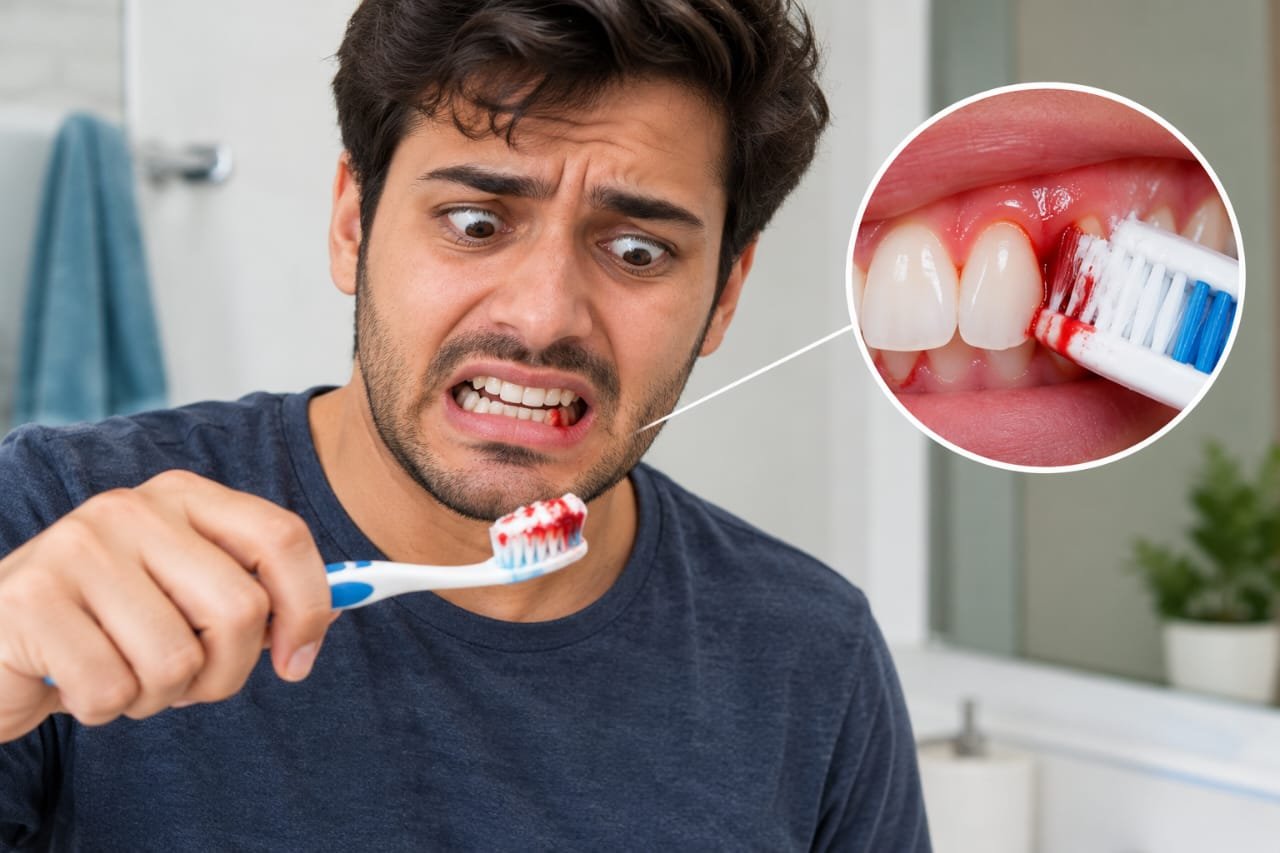
Is It Normal for Gums to Bleed When Brushing?
No. While occasional bleeding can happen, healthy gums generally should not bleed regularly when you brush or floss.
If your gums frequently bleed, it may be a sign that your gums are irritated or inflamed.
One of the most common causes is plaque buildup around the teeth and gumline.
Plaque is a sticky layer of bacteria that develops naturally on your teeth. If it is not removed properly, it can irritate the gums and cause inflammation.
Why Are My Gums Bleeding When I Brush?
There are several possible reasons for bleeding gums.
1. Gum Disease
One of the most common causes of bleeding gums is gum disease.
The earliest stage is called gingivitis. It can cause gums to become:
– Red
– Swollen
– Tender
– More likely to bleed during brushing or flossing
If gingivitis is not addressed, it can sometimes progress to a more serious form of gum disease called periodontitis, which can damage the tissues and bone supporting the teeth.
This is one reason why regular dental check-ups are important.
2. Plaque and Tartar Buildup
Plaque can accumulate around the gumline when brushing and cleaning between the teeth are not effective enough.
Over time, plaque can harden into tartar (calculus). Tartar cannot usually be removed effectively with a normal toothbrush and may require professional dental cleaning.
If you have visible buildup around your teeth and your gums bleed regularly, a dental examination can help determine whether professional cleaning is needed.
3. Brushing Too Hard
More pressure does not necessarily mean cleaner teeth.
Brushing too aggressively can irritate or injure the gums and may contribute to bleeding and gum recession.
Use a soft-bristled toothbrush and gentle movements rather than scrubbing forcefully.
Your goal should be to clean the teeth and gumline effectively without damaging the gums.
4. Not Flossing Regularly
If you have recently started flossing after not doing it regularly, you may notice some bleeding.
This can happen when the gums are already inflamed.
Instead of stopping completely, improve your technique and clean between your teeth gently and consistently.
However, if bleeding continues, it is worth having your gums checked by a dentist.
5. Hormonal Changes
Hormonal changes can make some people’s gums more sensitive.
This can occur during periods such as:
– Pregnancy
– Menstruation
– Puberty
– Menopause
For example, some pregnant women experience increased gum sensitivity and bleeding.
Maintaining good oral hygiene and discussing persistent symptoms with your dentist can help protect your gums during hormonal changes.
6. Certain Medications
Some medications can affect bleeding or oral health.
For example, certain blood-thinning medications may make bleeding easier or more noticeable.
Do not stop taking prescribed medication because your gums are bleeding.
Instead, tell your dentist about all medications and supplements you take so they can consider them when assessing your oral health.
7. Smoking
Smoking can negatively affect gum health and increase the risk of gum disease.
It can also affect healing and may make it more difficult to recognize some symptoms of gum problems.
If you smoke and experience persistent bleeding gums, speak with your dentist about your oral health and ways to reduce your risk of gum disease.
8. Vitamin Deficiencies and Other Health Conditions
Certain nutritional deficiencies and medical conditions can contribute to gum bleeding.
For example, some blood disorders can affect bleeding, while certain nutritional deficiencies can affect oral health.
If you say Why my gums are bleeding when i brush despite good oral hygiene, your dentist may recommend further evaluation depending on your symptoms and medical history.
What Does Gum Disease Look Like?
Bleeding is one possible sign of gum disease, but it is not the only one.
Other warning signs can include:
– Red or swollen gums
– Tender gums
– Persistent bad breath
– Receding gums
– Loose teeth
– Pus around the gums
– Changes in the way your teeth fit together
– Pain when chewing
If you notice several of these symptoms, arrange a dental examination rather than waiting for the problem to get worse.
Can Bleeding Gums Be Fixed?
In many cases, the cause of bleeding gums can be addressed with improved oral hygiene and appropriate professional treatment.
Your dentist may recommend:
– Improved brushing technique
– Daily cleaning between the teeth
– Professional dental cleaning
– Treatment for gum disease
– Changes to certain oral-care habits
– Further investigation if there is another underlying cause
The correct treatment depends on why your gums are bleeding.
How Can I Stop My Gums From Bleeding?
You can take several steps to improve your gum health.
Brush twice a day
Brush your teeth twice daily using fluoride toothpaste and a soft-bristled toothbrush.
Focus on the gumline without applying excessive pressure.
Clean between your teeth
Use dental floss or another interdental cleaning method recommended by your dentist.
Cleaning between the teeth helps remove plaque from areas a toothbrush cannot reach effectively.
Don’t brush too hard
If your toothbrush bristles become flattened quickly, you may be applying too much pressure.
Use gentle movements and let the toothbrush do the work.
Maintain regular dental check-ups
Professional dental examinations can identify gum problems before they become more serious.
Your dentist can also determine whether you need professional cleaning to remove tartar.
Don’t ignore persistent bleeding
If your gums continue to bleed regularly despite improving your oral hygiene, arrange an appointment with a dentist.
Persistent bleeding deserves professional assessment.
Should I Stop Brushing If My Gums Are Bleeding?
Usually, you should not stop brushing simply because your gums bleed.
Stopping oral hygiene can allow more plaque to accumulate and may make gum inflammation worse.
Instead, brush gently with a soft toothbrush and clean between your teeth carefully.
If bleeding is persistent, heavy, or accompanied by swelling, pain, loose teeth, or other symptoms, consult a dentist.
When Should You See a Dentist?
You should consider seeing a dentist if:
– Your gums bleed regularly
– Your gums are swollen or painful
– You have persistent bad breath
– Your gums are receding
– Your teeth feel loose
– You notice pus around your gums
– Your gums continue bleeding despite improved oral hygiene
– You are concerned about the health of your gums
Early assessment can help identify gum problems and determine the appropriate treatment.
Frequently Asked Questions
Why do my gums bleed every time I brush?
Frequent bleeding can be caused by gum inflammation, plaque or tartar buildup, brushing too hard, or other factors. Regular bleeding should be assessed by a dentist, especially if it continues despite good oral hygiene.
Is bleeding gums a sign of gum disease?
Bleeding gums can be an early sign of gum disease, particularly when accompanied by redness, swelling or tenderness. A dental examination can determine the cause.
Can brushing too hard cause bleeding gums?
Yes. Excessive brushing pressure can irritate the gums. A soft-bristled toothbrush and gentle brushing technique are recommended.
Should I floss if my gums bleed?
If your gums bleed because they are inflamed, gentle and consistent cleaning between the teeth can help improve plaque control. However, persistent bleeding should be evaluated by a dentist.
How long does it take for bleeding gums to improve?
The time varies depending on the cause. Mild inflammation may improve after better oral hygiene, while tartar buildup or established gum disease may require professional dental treatment.
Can gum disease cause tooth loss?
Why my gums are bleeding when I brush so, Advanced gum disease can damage the tissues and bone that support teeth and may eventually contribute to tooth loss. Early diagnosis and treatment are therefore important.
Can bleeding gums be caused by a health condition?
Yes. Certain medications, nutritional deficiencies and medical conditions can contribute to bleeding. If bleeding is persistent or unexplained, discuss it with a dentist or doctor.
Healthy Gums Start With Early Care
Bleeding gums may seem like a small problem, but they can sometimes be an early warning sign of gum disease.
The most important steps are simple: brush gently twice a day, clean between your teeth, maintain regular dental check-ups, and don’t ignore persistent bleeding.
If you are experiencing bleeding, swollen or painful gums, a professional dental examination can help identify the cause and determine the right treatment.
Looking for a Dentist in Lahore?
Smile Solutions Pakistan provides professional dental care with a focus on preventive dentistry, gum health, dental implants, orthodontics, porcelain veneers and other dental treatments.
If your gums are bleeding regularly, contact Smile Solutions Pakistan to arrange a dental consultation and get your gums checked.